
Total knee arthroplasty is a standard treatment for end-stage knee osteoarthritis when pain, deformity, and functional loss persist despite non-surgical care. Patient-specific instrumentation, or PSI, uses preoperative CT or MRI data to create customized cutting guides for each knee.
How does PSI work in practice? And how does PSI knee replacement compare with conventional and robotic techniques?
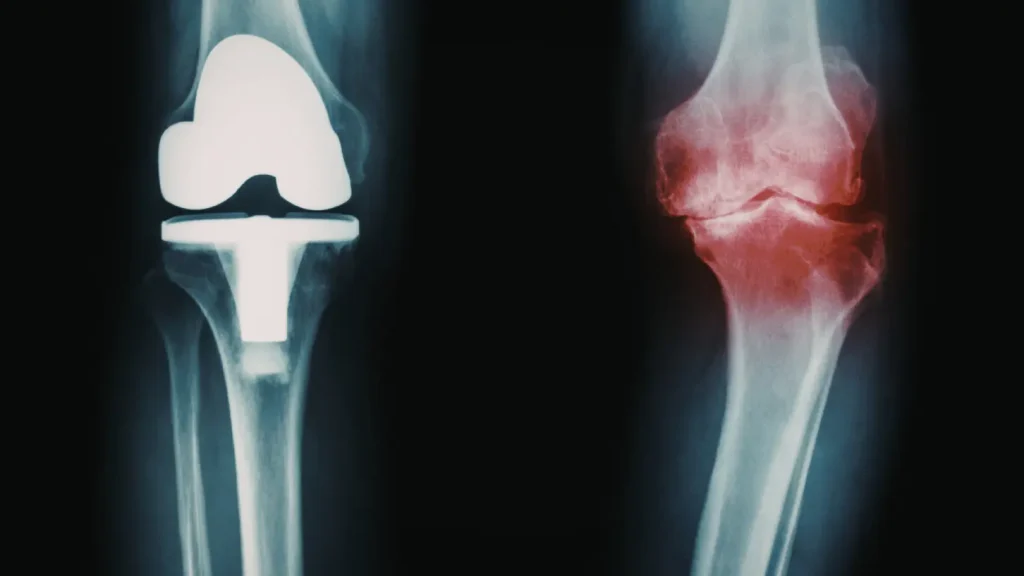
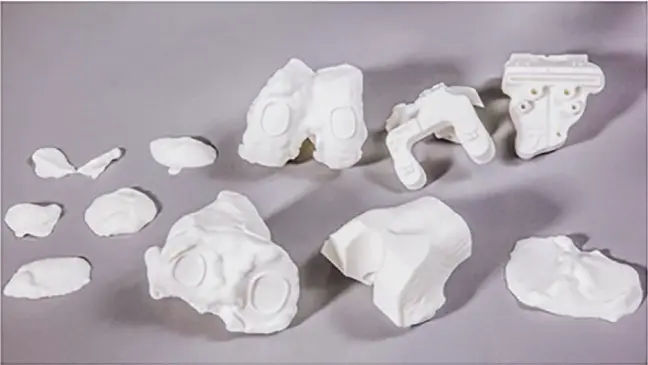
PSI is a planning-based technique. The surgeon first obtains CT or MRI images and creates a three-dimensional model of the knee and limb alignment. Implant position, size, and bone cuts are then planned on that model, and patient-matched femoral and tibial guides are made for the procedure.
These guides are designed to fit the patient’s bony surface and help transfer the preoperative plan into surgery. In primary PSI knee replacement, the goal is to support alignment, sizing, and bone resection while reducing reliance on standard intramedullary or extramedullary guides.
PSI is most often discussed in primary total knee arthroplasty, especially when imaging-based, case-specific planning is preferred. It may be considered when workflow simplicity, fewer instrument trays, or preoperative templating are priorities.
PSI may be considered in patients with:
However, PSI is not appropriate for every knee replacement surgery. Selection still depends on anatomy, deformity severity, implant choice, imaging quality, and surgeon experience.
A typical PSI knee replacement surgery follows several steps:
This process still remains a form of knee replacement surgery, not a different joint replacement operation. The difference lies in how the cutting plan and instrumentation are customized.
For patients, the main proposed benefit of PSI is more individualized planning. Some studies report fewer instrument trays, less operating room setup, and a tendency toward shorter operative time or less resource use.
For surgeons and hospitals, PSI may simplify logistics. Fewer trays can mean easier sterilization planning and less equipment handling.
| Approach | Main feature | Possible strengths | Main limitations |
| PSI | Custom cutting guides made from CT or MRI | Personalized planning, fewer trays, possible workflow efficiency | Requires coordination across the team and the workflow. When the process is not stable enough, its advantages may be reduced. |
| Traditional TKA | Standard guides and surgeon-based alignment | Widely available, familiar technique, reliable standard of care | Less individualized preoperative templating. |
| Robotic surgery | Robot-assisted planning and execution | May improve some alignment and workflow measures in selected studies | Higher system complexity and cost. |
Recovery after PSI knee arthroplasty generally follows the same broad pattern as other total knee replacement procedures. Early pain control, physical therapy, walking progression, and range-of-motion work remain central to rehabilitation.
Patient satisfaction after total knee replacement is often high overall, but satisfaction varies and depends on pain relief and functional recovery.
For patients exploring personalized options for knee replacement surgery, SunMoon works with orthopedic teams on individualized treatment pathways, including PSI-based planning where appropriate.
For more information about Total Knee Replacement services, please visit sunmoonstemcells.com or contact us at any time.
The main purpose of PSI is to support preoperative planning and help transfer that plan into surgery through patient-matched guides.
SunMoon works with orthopedic teams on personalized knee replacement pathways, including PSI-based planning when appropriate.