
Stroke remains a leading cause of long-term disability worldwide, with millions of survivors facing chronic motor deficits, cognitive impairment, and reduced quality of life. Traditional rehabilitation—physical therapy, speech therapy, and occupational training—offers incremental improvements but cannot regenerate damaged neural tissue. This is where stem cell for stroke recovery is transforming the clinical landscape. By leveraging the regenerative, anti-inflammatory, and paracrine properties of stem cells, healthcare providers can now address the root causes of post-stroke dysfunction rather than merely managing symptoms. This article explores how forward-thinking medical institutions are integrating stem cell for stroke recovery into comprehensive treatment protocols.
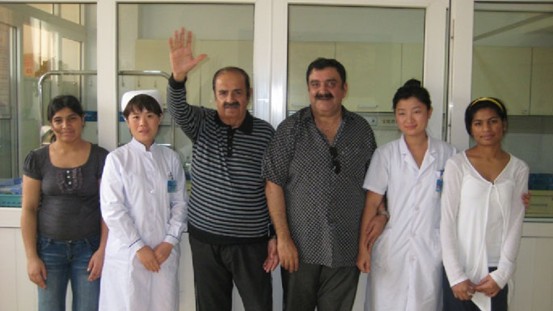
Personalized Medical Assessment: The First Critical Step
No two stroke injuries are identical. Infarct location, volume, time since onset, and patient comorbidities all influence therapeutic outcomes. Successful implementation of stem cell for stroke recovery begins with a personalized medical assessment. This process includes a comprehensive health check, expert consultation by neurologists and regenerative medicine specialists, and AI-assisted analysis of neuroimaging data. Advanced algorithms map residual neural pathways, quantify inflammation markers, and predict optimal cell delivery routes—intravenous, intrathecal, or intracerebral. For hospital systems, offering stem cell for stroke recovery without this individualized planning risks suboptimal results. Precision assessment ensures that cell type, dosage, and timing align with each patient’s unique pathology.
Stem Cell Treatment & Rehabilitation: A Synergistic Model
The most effective protocols combine stem cell for stroke recovery with structured rehabilitation. Cutting-edge stem cell transplantation—typically using mesenchymal stem cells (MSCs) or neural progenitor cells—works through multiple mechanisms: secreting neurotrophic factors that support surviving neurons, modulating microglial activation to reduce secondary damage, and promoting angiogenesis to restore blood flow to penumbral zones. However, cell therapy alone is not a miracle cure. Modern rehabilitation modalities such as constraint-induced movement therapy, robotic gait training, and transcranial magnetic stimulation create the neural demand that guides newly supported circuits toward functional reorganization. Additionally, integrating traditional Chinese therapies—acupuncture, herbal medicine, and tuina massage—can enhance circulation, reduce spasticity, and support overall systemic balance. For healthcare institutions, this integrated model represents the future of stem cell for stroke recovery.
Operational Advantages for Hospital Partners
Adopting stem cell for stroke recovery programs offers strategic benefits: differentiation in the neurology market, shortened inpatient rehabilitation stays, and improved long-term functional outcomes that reduce readmission rates.
Strategic Outlook for Neuroregenerative Medicine
The evidence base for stem cell for stroke recovery has matured from experimental to clinically actionable. Early intervention within three to six months post-stroke yields the most significant gains, though chronic-stage patients also show meaningful improvements in quality of life and activities of daily living.
At SunMoon Stem Cells, we are a high-tech medical service enterprise committed to integrating cutting-edge technology with traditional medicine to provide innovative and comprehensive health solutions. We focus on the innovative application of stem cell science, clinical treatment, and integrated medical services. Our personalized medical assessment and combined stem cell-rehabilitation protocols are ready for clinical partnership. We invite forward-looking hospitals to collaborate with us in bringing the future of stem cell for stroke recovery to patients who need it most.