
For orthopedic surgeons, hospital procurement managers, and medical device distributors, understanding the risk-benefit profile of revision total knee arthroplasty is essential for clinical decision-making and service planning. As primary knee replacements increase globally, the demand for revision procedures continues to rise. This analysis examines the clinical trade-offs associated with revision total knee arthroplasty to help business partners make informed choices about surgical technologies and patient care pathways.
The Clinical Reality of Revision Surgery
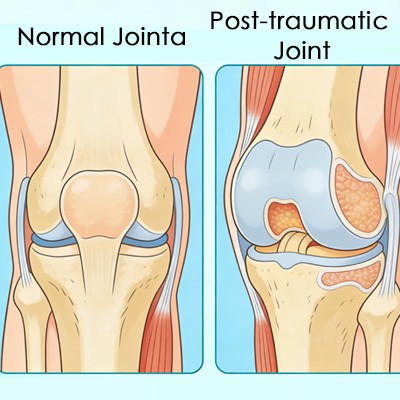
Revision total knee arthroplasty differs fundamentally from primary knee replacement. The procedure involves removing existing prosthetic components, addressing bone defects or implant loosening, and re-implanting a new prosthesis. On the pro side, successful revision total knee arthroplasty can relieve chronic pain, restore mobility, and prevent further joint deterioration in patients who have experienced aseptic loosening, infection, or polyethylene wear. For hospitals, offering high-quality revision services attracts complex referral cases and demonstrates surgical excellence. However, the cons are significant: longer operative times, higher infection risks, greater blood loss, and increased financial costs compared to primary procedures.
Precision Technology as a Mitigation Strategy
Traditional revision total knee arthroplasty has been associated with substantial soft tissue trauma, extended recovery periods, and variable outcomes. This is where precision engineering transforms the risk profile. SunMoon Med-Engineering Integrated Precision Solution focuses on patient-centered outcomes: less pain and faster recovery. Precise bone cutting minimizes soft tissue damage, reducing postoperative pain by 50%. Less trauma and blood loss lead to 30% shorter recovery times. Many patients are able to stand or walk on the same day after surgery. When these precision techniques are applied to revision total knee arthroplasty, the traditional disadvantages—prolonged rehabilitation and high pain scores—are substantially mitigated. Overall satisfaction exceeds 95%, supported by consistent clinical data.
Balancing Complexity Against Patient Benefit
The ultimate decision to proceed with revision total knee arthroplasty requires weighing surgical complexity against potential quality-of-life gains. For patients with failed primary implants, the benefits often outweigh risks—particularly when precision technologies reduce morbidity. However, careful patient selection remains critical.
Partnering for Better Revision Outcomes
At SunMoon Stem Cells, we have extended our commitment to integrated medical solutions into orthopedic precision engineering. Our Med-Engineering Integrated Precision Solution for revision total knee arthroplasty delivers less pain, faster recovery, and 95%+ patient satisfaction. We invite hospitals, surgical centers, and distribution partners to explore how our precision bone-cutting technology can enhance your revision arthroplasty outcomes—ultimately benefiting the patient, who remains the greatest beneficiary of precision surgery.