
The knee is the body’s largest joint and a major load-bearing structure. Bones, cartilage, menisci, ligaments, tendons, and muscles work together to support body weight while allowing walking, climbing, bending, and rotation. Because the joint handles repeated force, knee problems may develop after injury, inflammation, overuse, or gradual tissue damage.
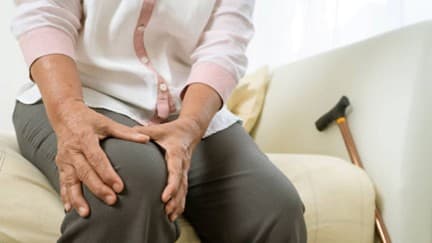
Identifying the location and character of pain can help narrow down what causes knee pain. However, symptoms alone cannot confirm a diagnosis because several knee conditions may feel similar.
| Pain location | Possible related knee problems |
| Front of the knee | Patellofemoral pain, chondromalacia patella, or patellar tendon irritation |
| Inside or outside joint line | Meniscal injury, collateral ligament injury, or osteoarthritis |
| Back of the knee | Tendon problems, Baker’s cyst, or referred pain |
| Throughout the joint | Arthritis, gout, infection, or significant inflammation |
Pain after a twisting injury may suggest damage to a ligament or meniscus. In contrast, pain that develops gradually during walking or stair climbing is more consistent with some degenerative knee joint conditions.
| What It Is: Ligaments connect bones and stabilize the knee. The anterior cruciate ligament, posterior cruciate ligament, medial collateral ligament, and lateral collateral ligament may be stretched or torn. |
| Common Symptoms: Sudden pain, swelling, instability, difficulty bearing weight, or a popping sensation at the time of injury. |
| At-Risk Populations and Causes: Athletes and active adults are at higher risk, particularly during pivoting, rapid direction changes, awkward landings, or direct impacts. |
| Basic Management: Initial care may include activity restriction, ice, compression, elevation, bracing, and physical therapy. Complete tears or persistent instability may require surgical reconstruction. |
| What It Is: Knee osteoarthritis[E1] is a degenerative joint disease in which cartilage and other joint tissues change and break down over time. |
| Common Symptoms: Activity-related pain, short-lasting stiffness after rest, swelling, reduced movement, grinding sensations, or knee buckling. |
| At-Risk Populations and Causes: Risk increases with age, excess body weight, previous joint injury, repetitive stress, abnormal joint structure, and family history. |
| Basic Management: Exercise, weight management when appropriate, physical therapy, topical or oral pain medicines, and selected injections may reduce symptoms. Surgery may be considered when severe pain and loss of function continue despite nonsurgical knee pain treatment. |
| What It Is: Rheumatoid Arthritis is a chronic autoimmune disease. The immune system mistakenly attacks joint tissues, causing inflammation and possible structural damage. |
| At-Risk Populations and Causes: It can develop at any age, but it is more common in adults, especially women. |
| At-Risk Populations and Causes: It can develop at any age, but it is more common in adults, especially women. |
| Basic Management: Early assessment by a rheumatologist is important. Treatment may include disease-modifying antirheumatic drugs, anti-inflammatory medicines, short-term corticosteroids, exercise, and rehabilitation. |
| What It Is: The menisci are two C-shaped pieces of fibrocartilage that distribute weight and help stabilize the knee. A meniscus may tear suddenly or develop degenerative damage over time. |
| Common Symptoms: Joint-line pain, swelling, stiffness, catching, locking, reduced range of motion, or a feeling that the knee may give way. |
| At-Risk Populations and Causes: Acute tears are common during sports involving pivoting or cutting. Older adults may develop a tear after a minor twist because aging tissue is more vulnerable. |
| Basic Management: Many tears can initially be treated with activity modification, ice, physical therapy, and medication. Persistent locking, pain, or mechanical symptoms may require arthroscopic repair or removal of unstable tissue. |
| What It Is: Chondromalacia patella refers to softening and breakdown of the cartilage underneath the kneecap. It may occur as part of patellofemoral pain. |
| Common Symptoms: Dull pain at the front of the knee, discomfort during stairs or squats, pain after prolonged sitting, and popping or crackling sensations. |
| At-Risk Populations and Causes: It is common in young adults and physically active people. Repetitive knee loading, sudden training increases, muscle weakness, and abnormal kneecap tracking can contribute. |
| Basic Management: Reducing painful activities, switching temporarily to low-impact exercise, and strengthening the hip and thigh muscles are usually recommended. Surgery is uncommon. |
| What It Is: Gout is inflammatory Arthritis caused by urate crystals forming in or around a joint after urate levels remain elevated over time. |
| Common Symptoms: A flare can cause sudden severe pain, warmth, redness, swelling, and marked tenderness. Although gout often begins in the big toe, it can affect the knee. |
| At-Risk Populations and Causes: Risk is associated with impaired urate elimination, kidney disease, some medications, genetics, and certain dietary or alcohol-related factors. |
| Basic Management: Anti-inflammatory medication, colchicine, or corticosteroids may be prescribed for acute attacks. Some patients also need long-term urate-lowering treatment to prevent repeated flares. |
Other common causes of knee pain include tendon injuries, bursitis, fractures, infection, patellar dislocation, and pain referred from the hip or spine. Because these conditions can cause similar symptoms, it is important to seek prompt medical care.
Knee pain treatment depends on the diagnosis, symptom severity, activity needs, and degree of structural damage.
Initial management often includes:
• Temporary activity modification
• Ice for recent swelling
• Low-impact exercise
• Physical therapy
• Weight management when appropriate
• Topical or oral pain medication under medical guidance
Patients with continuing pain may need a structured rehabilitation program, a brace, prescription medication, or an image-guided injection. Rheumatoid Arthritis and gout require disease-specific medical treatment rather than pain relief alone.
Further evaluation may include X-rays, ultrasound, blood tests, joint-fluid analysis, or MRI. The choice depends on the suspected condition.
Surgery may be considered for an unstable ligament tear, a repairable meniscal tear, severe deformity, or advanced Arthritis that substantially limits daily activities.
Procedures may include ligament reconstruction, meniscal repair, arthroscopy in selected cases, partial knee replacement, or total knee replacement. Total knee replacement resurfaces damaged bone and cartilage with artificial components. It is generally considered after appropriate nonsurgical care no longer provides acceptable pain relief or function.
Explore more:
Understanding 3 Types of Knee Replacement Surgery
Partial vs. Total Knee Replacement: What’s the Difference and Who Is Each For?
If knee pain persists, recurs, or begins to affect walking, sleep, or daily activities, seek medical attention and a professional evaluation. Prompt care is especially important if there is significant swelling, joint deformity, inability to bear weight, fever, or redness.
Suitability for total knee replacement should be determined by an orthopedic surgeon based on imaging findings, the extent of joint damage, symptom duration, and response to previous treatments. Before making a treatment decision, patients should understand the expected benefits, potential risks, implant options, rehabilitation requirements, and available alternatives.
SunMoon provides international medical coordination services for total knee replacement, including clinical evaluation, CT- or MRI-based preoperative planning, surgical arrangements, rehabilitation support, and postoperative follow-up.
上传时可以放内文23的链接