
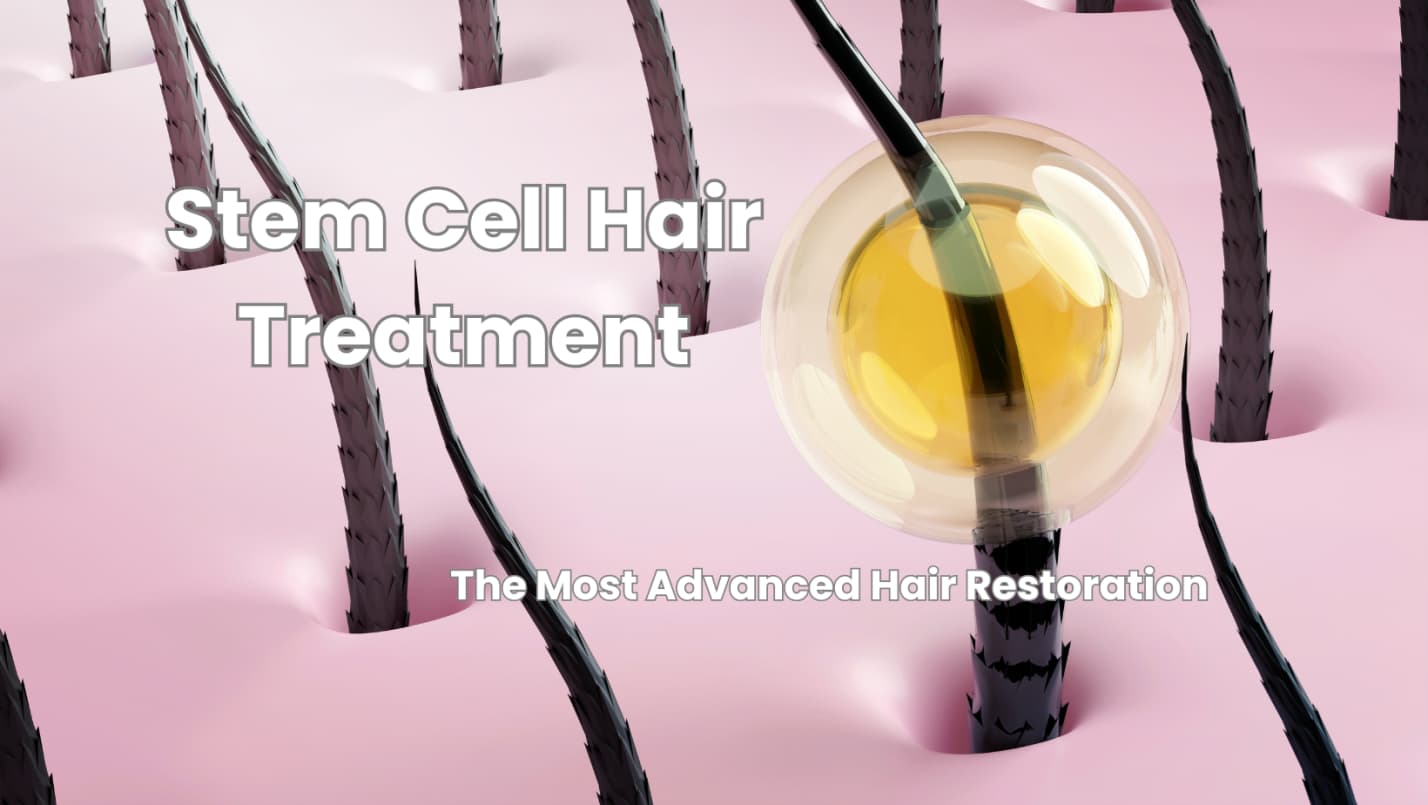
Baldness and thinning hair can impact self-confidence and quality of life. Traditional methods, such as drugs or hair transplantations, often produce reduced or temporary results. Stem cell hair treatment is now the new, science-based therapy that treats the root causes of baldness and thinning hair, offering the potential for long-term hair regrowth and anti-aging benefits.
What is Stem Cell Treatment for Hair?
Stem cells are undifferentiated cells possessing the remarkable feature of self-renewal and differentiation into specialized cells. During hair regrowth:
Stem cell hair treatment also differs from hair transplantation in one crucial aspect. Instead of directly implanting follicles via surgery, the procedure uses the body's natural repair processes. The procedure works on reestablishing natural hair density and growth without the use of surgery.

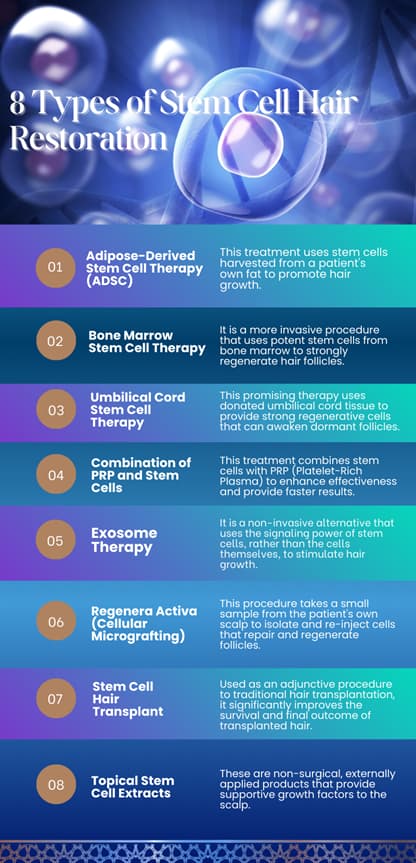
8 Types of Stem Cell Hair Restoration
1. Adipose-Derived Stem Cell Therapy (Autologous)
This stem cell therapy for hair loss involves the harvesting of stem cells from the patient's fat, typically harvested from the belly or thighs via a small liposuction. These harvested cells are processed and transplanted into the scalp. Adipose-derived stem cells are growth factor-rich, which enhances blood flow to the hair follicles, stimulates the growth of follicles, and thickens the hair. As they are obtained from the patient's own body, there is no chance of rejection or any side effects, and thus, it is a safe and very effective stem cell hair treatment for most people who want natural hair growth.
2. Stem Cell Therapy from Bone Marrow
Bone marrow itself is a good source of very potent stem cells with regenerative capabilities. During this procedure, bone marrow is aspirated—typically from the hip bone—is concentrated and injected into the scalp. The cells release growth factors that enhance the repair and regeneration of hair follicles. Bone marrow stem cells are perhaps more effective but require a more invasive procedure to obtain them than do adipose-derived cells. This treatment is most often sought when patients require a strong stimulation for regeneration to produce prolonged follicle activity and persistent hair growth.
3. Stem Cells of the Umbilical Cord
Umbilical cord stem cells, usually taken from donated cord tissue at delivery, are rich in mesenchymal stem cells with great regenerative capability. Although largely used for research and clinical trials, they show immense potential for hair regrowth. The cells produce strong growth factors and signaling molecules that can potentially awaken existing but latent follicles and promote scalp health. Since they are not derived from the patient's body, ethical harvesting and compatibility are an issue. While not yet available to the public, they represent a highly promising new field of stem cell therapy for baldness.
4. Combination of PRP and Stem Cell
Platelet-rich plasma (PRP) contains growth factors that are derived from the patient's own blood and can potentially be involved in tissue repair and regeneration. When used in conjunction with stem cells, the synergy is used to enhance the effect on scalp health and follicle activation. The combination therapy is growing in popularity because it improves outcomes and increases treatment effectiveness. More patients have faster improvement in thickness and density compared to when stem cells or PRP are used individually. The treatment is greatly preferred by patients who want both immediate and lasting results from their stem cell therapy for hair regrowth.
5. Exosome Therapy
Stem cell-derived nano-vesicles, exosomes, have proteins, RNA, and growth factors. Instead of transplanting stem cells themselves, exosome treatment administers these signals for healing to the scalp. The process bypasses tissue harvesting, so it is less invasive. Exosomes trigger cell-to-cell communication, accelerate the follicular microenvironment, and improve the delivery of nutrients to resting hair follicles. Early reports suggest that exosome therapy may be as good as stem cell injection therapy, offering an option for individuals willing to take advantage of advanced stem cell hair therapy without surgery.
Also known as "Scalp-Derived Cellular Micrografting" or "Progenitor Cell Therapy," this stem cell therapy for hair loss is a minimally invasive procedure. It involves taking a small biopsy from the patient's scalp. The tissue is then processed to isolate progenitor cells and growth factors, which are then injected into the balding areas to stimulate follicle repair and regeneration.
This is not typically a standalone treatment, but rather an adjunctive procedure to traditional hair transplantation. By injecting stem cells during the transplant, it can significantly improve the survival rate of transplanted follicles, accelerate healing, and enhance the final hair growth results.
For those looking for non-surgical options, topically applied stem cell extracts in creams or serums are provided.
They are primarily plant-based or in-clinic processed stem cell extracts releasing growth factors into the scalp. Less potent than injections, they are able to stimulate the scalp, reduce inflammation, and act as a support treatment in addition to other treatments. They are used by patients as maintenance therapy following more intensive treatments in order to maintain the potency of stem cell therapy for hair growth at optimal levels for a long duration of time.
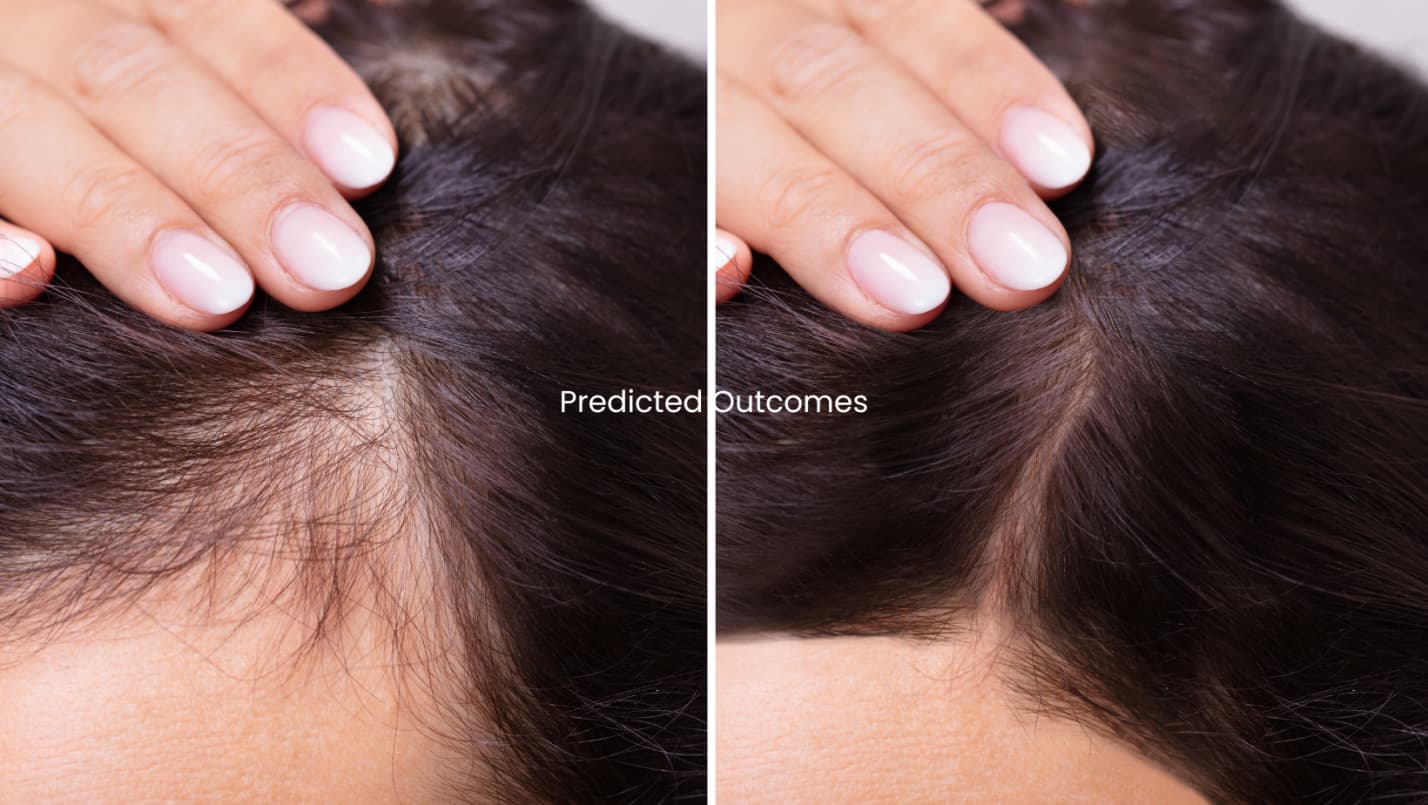
Stem cell hair therapy before and after pictures typically show definitive improvements in hair thickness and scalp coverage. Improvement is typically perceived by patients anywhere from three to six months, with further growth to occur.
How about the Success Rate of Stem Cell Hair Therapy?
Results may vary, but studies reflect positive outcomes:
It must be remembered here that, as yet, the science is unfinished and results differ from individual to individual based on age, genes, and overall health. *The above data is for reference only.
How much does Stem Cell Hair Treatment Cost? Is Stem Cell Hair Worth It?
As with all medical treatment, side effects are possible, though in the majority of cases they are minor:
The stem cell hair loss treatment cost varies significantly. Globally, the average single session of most stem cell hair treatments is estimated to be between $3,000 and $12,000 (for reference only). In the United States and Turkey, the cost per session ranges from $7,000 to $12,000 (for reference only).
Is Stem Cell Hair Treatment Risky?
As with all medical treatment, side effects are possible, though in the majority of cases are minor:
To minimize risks:
On average, stem cell hair treatment side effects are transient and minor compared to surgery.
SunMoonStem Cell Therapy—25% Increase in Follicle Growth and ≥30% Increase in Hair Density
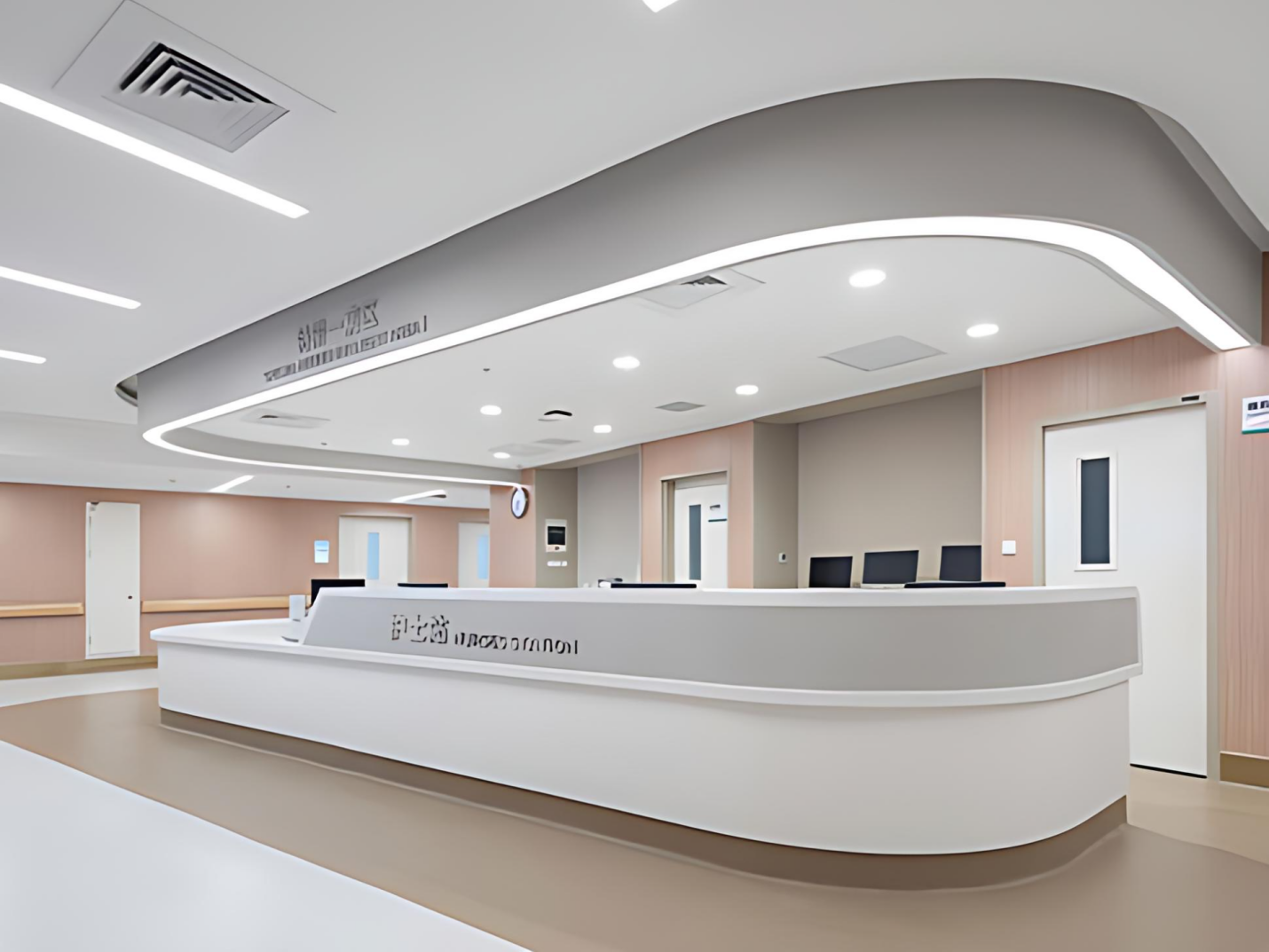
Alt: SunMoon Chengdu Stem Cell Treatment Center
We work with premium stem cell therapy for rejuvenating the hair at SunMoon. Clinical data is such that our clients can expect (commonly observed in individuals aged 35-70):
With the combination of precision technology and medical skill, SunMoon provides cutting-edge stem cell hair growth treatment solutions based on each person's individual needs. We are proud to provide safe, effective, and evidence-based stem cell therapy for anyone who experiences baldness and is seeking anti-aging solutions.
Conclusion
Unlike transplants or short-term medication, stem cell hair treatment treats the hair growth in a cellular sense. With side effects that are tolerable and success rates that are increasingly on the rise, the therapy has become a highly effective and natural alternative for hair restoration.
At SunMoon, we maintain the reliable order of stem cell therapy for hair solutions, balanced in terms of effectiveness and patient safety. If you're looking for cutting-edge solutions to trigger hair growth, our treatments can be the way forward.


Interested in stem cell therapy? Contact us for a free consultation with our medical experts.
Schedule Now Appointment
 Online Communication